What Is the Role of a Call Center? Duties & Business Benefits
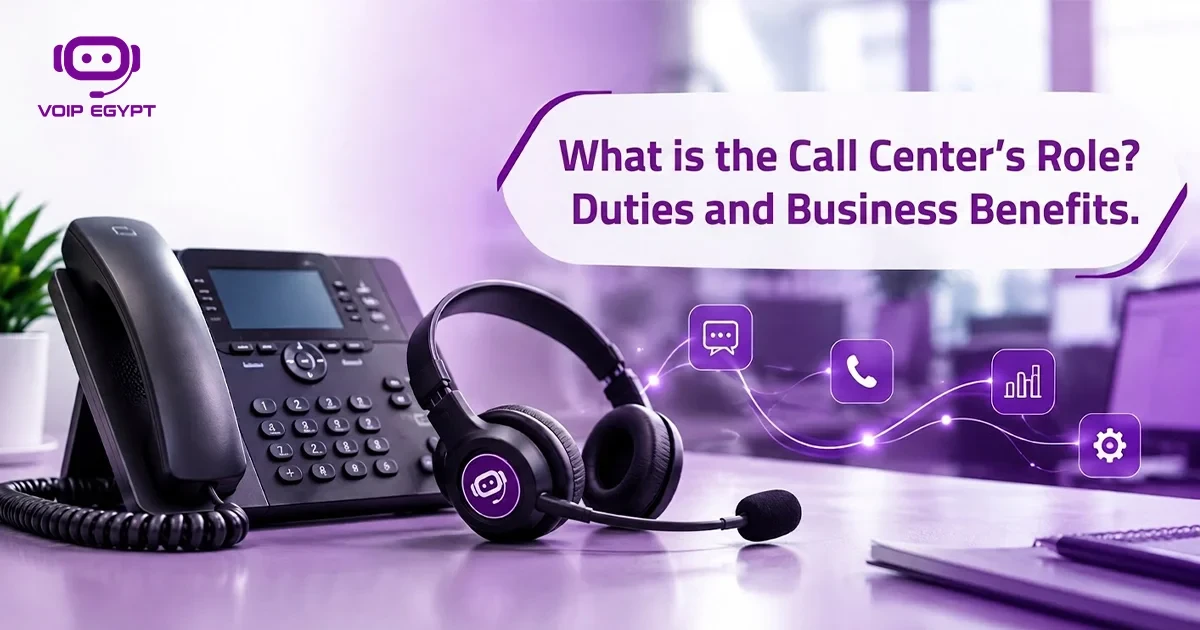
A call center is no longer simply a place where employees answer customer calls. Today, it plays a much broader role in managing customer communication, handling inquiries, supporting sales, and keeping day-to-day interactions organized. As businesses receive more calls and customer requests, having a structured call center function can make communication easier to manage, more consistent, and easier to measure. Modern systems also allow companies to connect calls with CRM platforms and other business tools, giving employees more context when dealing with customers.
What Is the Main Role of a Call Center?
The main role of a call center is to organize communication between a business and its customers through a structured process that can be monitored and measured.
Depending on the company and its industry, a call center may handle both inbound and outbound calls. It can also route customers to the appropriate department, follow up on requests, handle complaints, and support sales activities.
Common call center functions include:
- Answering incoming customer calls and inquiries.
- Making outbound calls for sales or customer follow-ups.
- Handling complaints and service requests.
- Providing information about products and services.
- Conducting customer satisfaction surveys.
- Routing calls to the appropriate employee or department.
- Following up with potential and existing customers.
This means the role of a call center goes beyond answering the phone. It becomes part of the overall customer communication process, helping businesses organize interactions from the first call through follow-up and resolution.
What Are the Responsibilities of a Call Center Agent?
A call center agent is often the first direct point of contact between a customer and a company. Their exact responsibilities depend on the type of business, but most agents deal with a combination of customer service, information requests, data entry, call handling, and follow-up tasks.
Typical call center agent responsibilities include:
- Answering incoming customer calls.
- Responding to questions about products or services.
- Recording customer information and requests.
- Handling complaints according to company procedures.
- Transferring calls to the appropriate department.
- Making outbound calls for sales or customer follow-ups.
- Updating customer records after interactions.
- Following customer service and quality standards.
- Escalating complex issues when they require specialized assistance.
What Do Call Center Employees Do Every Day?
The daily workload of call center employees varies according to the company, industry, and type of call center. However, most agents spend their time handling inbound or outbound calls, documenting interactions, answering questions, and following up on customer requests.
A typical day may include:
- Answering inbound calls : from customers who need help or information.
- Making outbound calls : for sales, follow-ups, surveys, or service updates.
- Recording customer information : and details about each interaction.
- Transferring calls : when another department needs to handle the request.
- Following up on unresolved issues : to ensure customers receive a response.
- Updating CRM records : after completing a customer interaction.
- Following quality procedures : established by the company.
Modern call centers can make these tasks easier by giving agents access to customer information while they are handling a call.
For example, when a call center is connected to a CRM system, an employee may be able to see previous interactions, customer details, and open requests without asking the customer to repeat information that has already been provided.
This is where call management becomes more than simply answering and transferring calls. The goal is to give employees the information and tools they need to handle each interaction efficiently.
Why Are Call Centers Important for Customer Service?
A call center can have a direct impact on how customers communicate with a business.
When customers have a clear channel for contacting a company and can quickly reach the right person or department, the communication process becomes easier to manage. For businesses, structured call handling also creates useful information about customer needs and recurring issues.
A well-organized call center can help with:
Faster Call Routing
Calls can be directed to the appropriate employee or department based on the nature of the customer's request.
Better Call Management
Businesses can organize incoming and outgoing calls, monitor call volumes, and manage periods of high demand more effectively.
Quality Monitoring
Call recording and performance reports can help managers review interactions, identify training opportunities, and maintain service standards.
Understanding Customer Needs
Repeated questions, complaints, and service requests can reveal common customer concerns and potential problems in the customer journey.
More Consistent Customer Experiences
Clear procedures and standardized workflows help employees handle similar customer requests in a consistent way.
The value of a call center therefore extends beyond answering calls. It can provide businesses with a clearer picture of call volumes, peak communication periods, common customer issues, and service performance.
How Has VoIP Changed Call Centers?
VoIP technology has changed the way many businesses operate their call centers by allowing voice calls to be transmitted over the internet instead of relying entirely on traditional telephone infrastructure.
When VoIP is integrated with a modern call center platform, businesses can access a wider range of tools for managing communications.
These may include:
- Automatic call routing.
- Call recording.
- Call queues.
- Performance reports.
- Call monitoring.
- Interactive voice response (IVR).
- CRM integration.
- Agent management tools.
- Remote access for distributed teams.
One of the major advantages is flexibility. Employees can potentially handle business calls from different locations while managers continue to monitor communication and performance through a centralized system.
What Makes a Call Center Effective?
The effectiveness of a call center does not depend simply on how many employees it has or how many calls they answer.
A successful operation needs to balance response speed, service quality, employee performance, and operational efficiency.
Three elements are particularly important:
Clear Customer Service Procedures
Employees need clear processes for handling common questions, complaints, transfers, escalations, and follow-ups.
Trained Call Center Agents
Technology cannot replace the importance of employees who understand the company's products, services, policies, and communication standards.
Scalable Call Management Technology
The call center system should provide useful data and support the company's growth without making communication more complicated.
When these elements work together, the call center becomes more than a department that answers the telephone. It becomes a structured communication system that supports customer service and other business operations.
Improve Call Management With VoIP Egypt
If your business is receiving more calls or your customer service and sales teams are finding it difficult to keep track of communications, it may be time to consider a more structured approach to call management.
VoIP Egypt provides communication and call center solutions designed to help businesses organize calls, manage teams, monitor performance, and improve customer communication according to their operational needs.
Explore how VoIP Egypt's call center solutions can help your company manage business communications more efficiently and create a more organized customer experience.
Frequently Asked Questions
Is a call center only used for customer service?
No. Depending on the business, a call center can support customer service, sales, lead follow-up, surveys, technical support, appointment scheduling, and other communication activities.
What is the difference between call handling and call management?
Call handling refers to the way an individual call is answered, transferred, or resolved. Call management is broader and includes organizing, routing, monitoring, recording, and analyzing calls across the business.
Can a small business benefit from a call center?
Yes. A small business does not necessarily need a large call center team. A structured call management system can help smaller teams organize customer communication and maintain records as call volumes grow.
How does CRM integration improve call center operations?
CRM integration connects phone interactions with customer records. This can give agents access to previous interactions and relevant customer information, reducing the need to collect the same details repeatedly.
Can VoIP support remote call center employees?
Yes. Because VoIP uses internet connectivity for voice communication, it can support distributed teams when the underlying system, network, security controls, and business processes are properly configured.